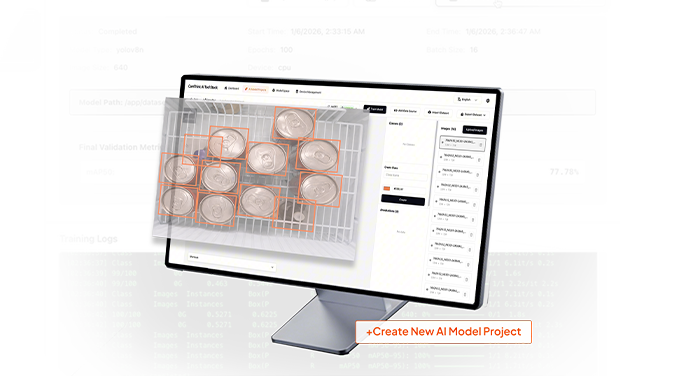
Scheduled Visual Capture
Capture meter displays, gauges, panels, or site views on configurable schedules. Each asset follows its own interval or time window, without continuous video streaming.

Capture meter readings, equipment status, and site conditions on schedule. CamThink edge AI devices process images locally and send structured readings to your IoT platform, BMS, EMS, SCADA system, or NeoMind.
Many infrastructure assets still rely on manual rounds for meter readings, equipment status checks, and site condition reviews. Cameras can record what happened, but most systems still need structured readings, status labels, and actionable data.
Field inspections are costly, inconsistent, and difficult to maintain across many distributed sites. As asset coverage grows, the gap between real site conditions and recorded data becomes harder to manage.
Standard cameras provide visual records, but they do not extract meter values, identify status changes, or format results for operational systems. Images still need to be processed before they can support decisions.
Reliable OCR and condition classification require more than a model. You need image capture control, local inference, confidence scoring, payload formatting, model updates, and system integration.
A complete monitoring workflow does more than capture images. It controls when images are collected, processes them at the edge, formats the result for your system, and keeps deployed devices manageable over time.
Capture meter displays, gauges, panels, or site views on configurable schedules. Each asset follows its own interval or time window, without continuous video streaming.

Extract numeric readings, identify equipment status, and attach confidence scores before data is sent upstream.

Send readings, timestamps, device IDs, confidence scores, and image references via MQTT / HTTP. Existing platforms receive usable data instead of raw visual records.

Monitor device health, connectivity, model versions, and firmware status across deployed sites. Push OTA updates without sending technicians to each location.
Most infrastructure deployments already rely on IoT platforms, BMS, EMS, SCADA systems, or internal data pipelines. CamThink adds scheduled visual sensing as a structured data source instead of replacing your existing tools.
Recommended for most deployments: Send readings, status labels, confidence scores, and image references directly into your current workflow through MQTT / HTTP integration.
CamThink devices capture images on schedule, process readings or status locally, and send structured payloads directly to your existing system. Your team keeps its current dashboard, alerts, database, and reporting workflow.
Best when your system can receive structured payloads directly.
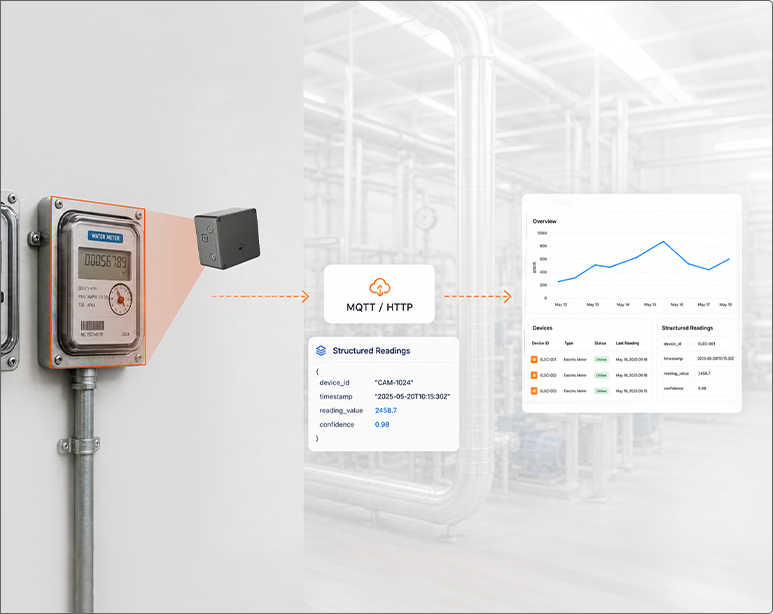
Use NeoMind when your deployment needs an intermediate workflow layer for OCR review, protocol bridging, image history, dashboard views, or device fleet management. NeoMind can run locally on an edge gateway or serve as a complete visual data workflow platform.
Your system does not support MQTT · you need protocol conversion · operators need to review OCR results · you want image history and dashboard views · you need device fleet management.
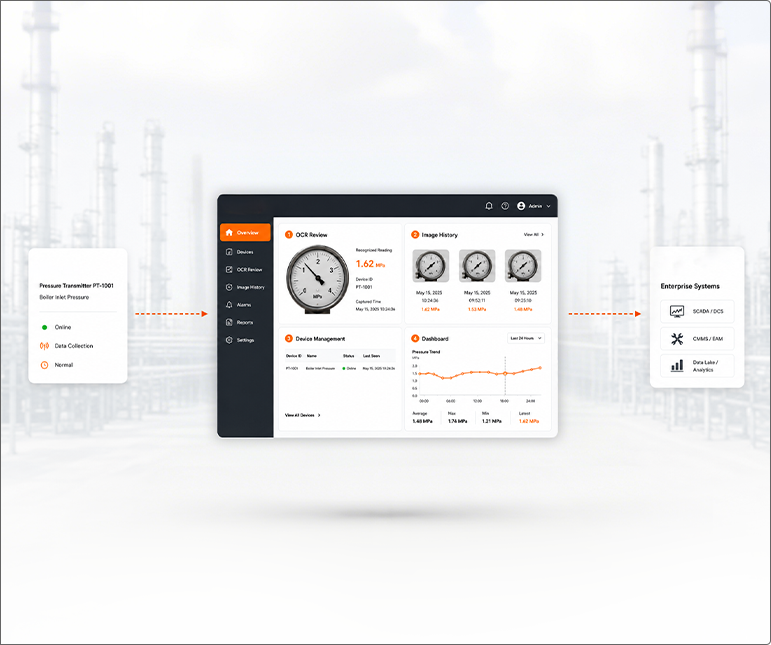
Recommended for most deployments: Send readings, status labels, confidence scores, and image references directly into your current workflow through MQTT / HTTP integration.
CamThink devices capture images on schedule, process readings or status locally, and send structured payloads directly to your existing system.
Best when your system can receive structured payloads directly.
Use NeoMind when your deployment needs an intermediate workflow layer for OCR review, protocol bridging, image history, dashboard views, or device fleet management.
Your system does not support MQTT · you need protocol conversion · operators need to review OCR results · you want image history and dashboard views · you need device fleet management.
Start with a small evaluation to verify image quality, OCR accuracy, connectivity, and data integration before expanding to more infrastructure sites.
Test capture quality, OCR results, and structured output on real meters, gauges, panels, or site views.
Deploy across representative sites to validate reliability, connectivity, mounting conditions, and workflow fit.
Roll out the proven configuration across more assets, locations, or device types.
Start with evaluation hardware, or discuss your project requirements with our team.
Scheduled visual monitoring for infrastructure sites: capture meters, gauges, equipment status, and remote site images as structured data without routine manual rounds.
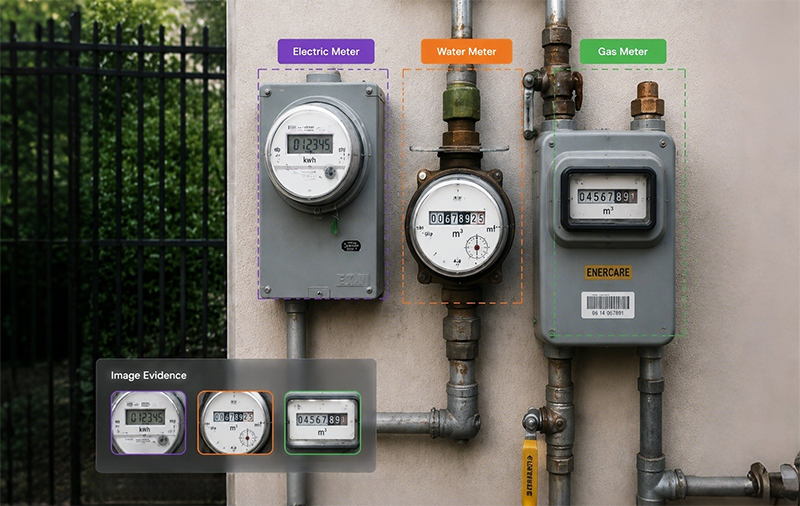
Scheduled OCR capture of electricity, water, gas, or heat meters with readings, timestamps, and image evidence.
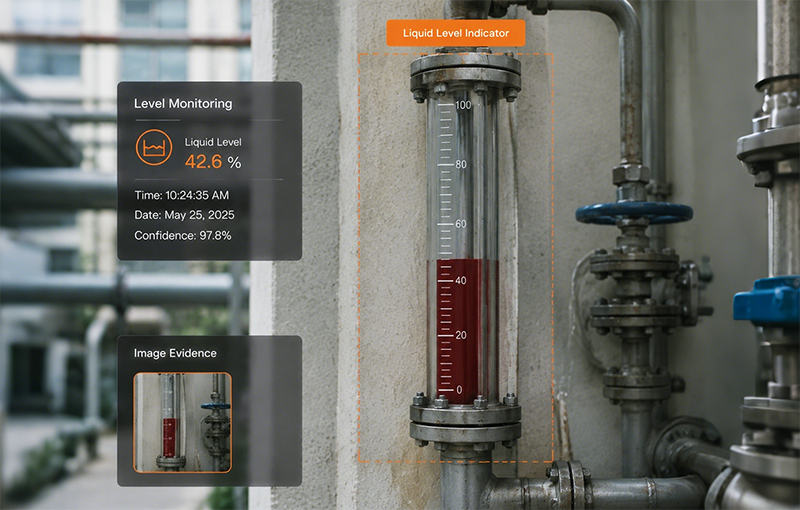
Visual reading of pressure gauges, level indicators, and instrument panels without routine manual rounds.
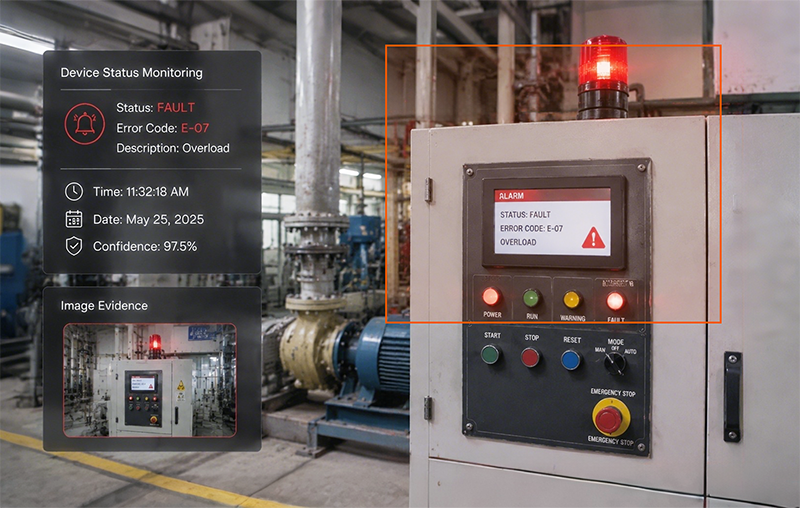
Classifies indicator lights, alarm lamps, and control panels into equipment states and alerts.
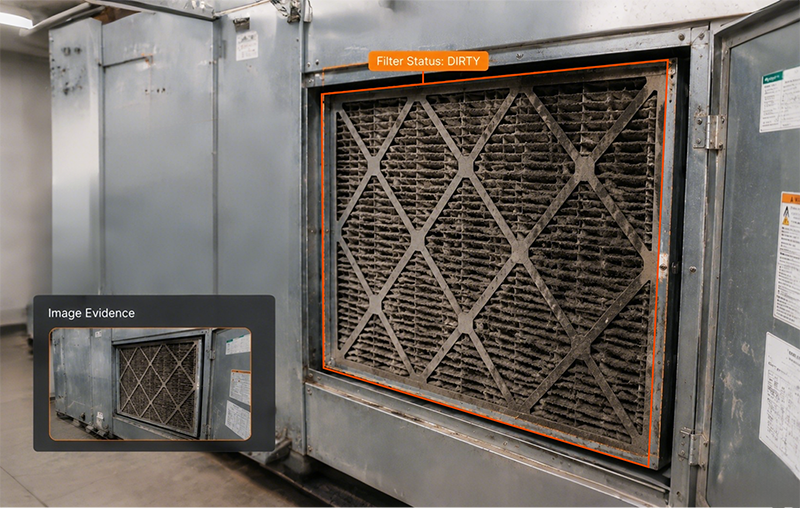
Scheduled inspection of HVAC filters and filtration surfaces to classify clean, dirty, or replace status.
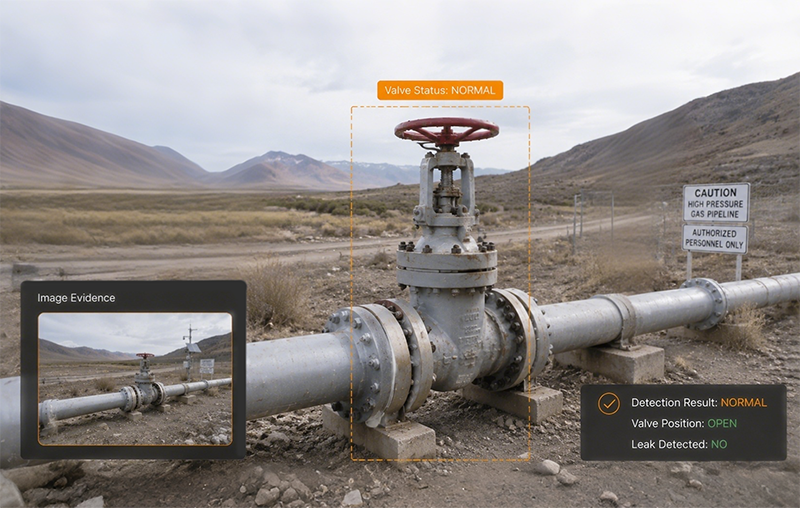
Scheduled visual records from remote sites with structured flags and image evidence for review systems.
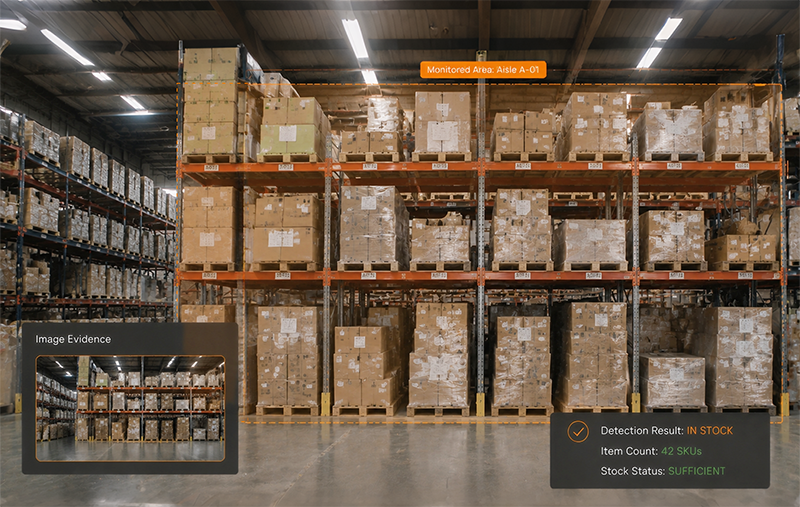
Scheduled monitoring of supply levels and site conditions. Classification outputs structured alerts for inventory systems.
Each product fills a defined role in the architecture described above. The system works with any combination of roles — not every deployment requires every role.
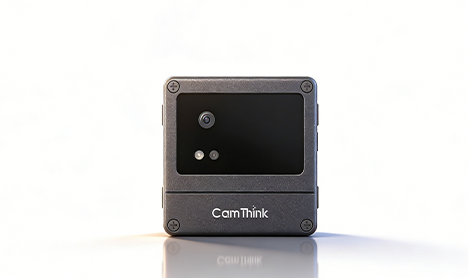
3-year+ battery life with PIR/GPIO-triggered capture and MQTT transmission. A low-power frontend sensor that sends images to NG4500 for centralized AI processing.
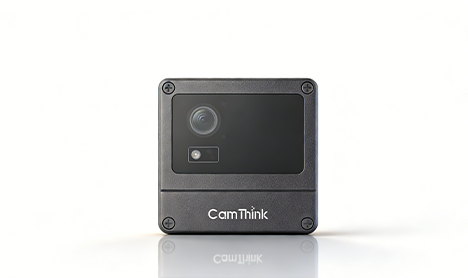
NPU-accelerated local AI inference with PIR-triggered wake and LTE alert transmission. Operates as an independent edge AI node for rapid-deployment and off-grid scenarios — no gateway required.
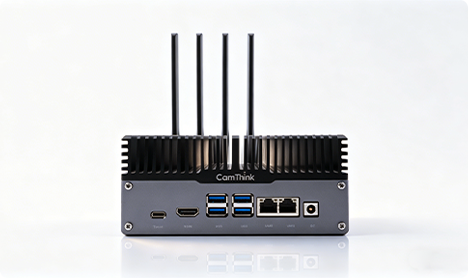
Up to 157 TOPS edge compute hub for aggregating 4–32 sensor nodes, running centralized AI inference, local alert logic, and LTE event uplink.
Use NeoMind to manage devices, review OCR results, track image records, and run dashboard or AI-assisted queries across your deployment.
NE101 was selected as the field image-capture node for non-contact PUB water meter reading in Singapore. Captured images are uploaded via 4G and processed by NexAscent MeterOCR.
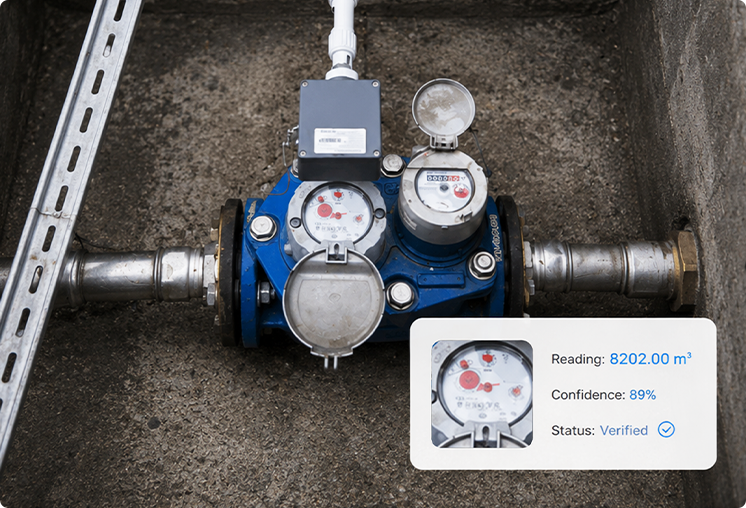
Singapore commercial buildings need accurate water consumption data for ESG reporting. But PUB water meters cannot be replaced, modified, or physically contacted.
Non-Contact Meter Capture
Captures existing meter images without physical modification.
Independent 4G LTE Upload
Uploads images without relying on customer Wi‑Fi or gateway wiring.
OCR-Ready Images
Provides scheduled meter images for the NexAscent MeterOCR pipeline.
Integration Ready
Structured output for customer’s existing workflow.
A practical comparison for temporary and off-grid sites. See how on-device AI helps reduce false alarms, LTE data usage, and cloud dependency while supporting custom detection and system integration.
Read the Article →Order evaluation units to test integration, AI performance, and power behavior before scaling.
Go to Store →Review firmware architecture, APIs, MQTT payloads, GPIO interfaces, and NeoMind integration guides.
Open Docs →A practical comparison for temporary and off-grid sites. Reduce LTE data usage and cloud dependency while keeping custom integration.
Read the ArticleOrder evaluation units to test integration, AI performance, and power behavior before scaling.
Go to StoreReview firmware architecture, APIs, MQTT payloads, GPIO interfaces, and NeoMind integration guides.
Open Docs